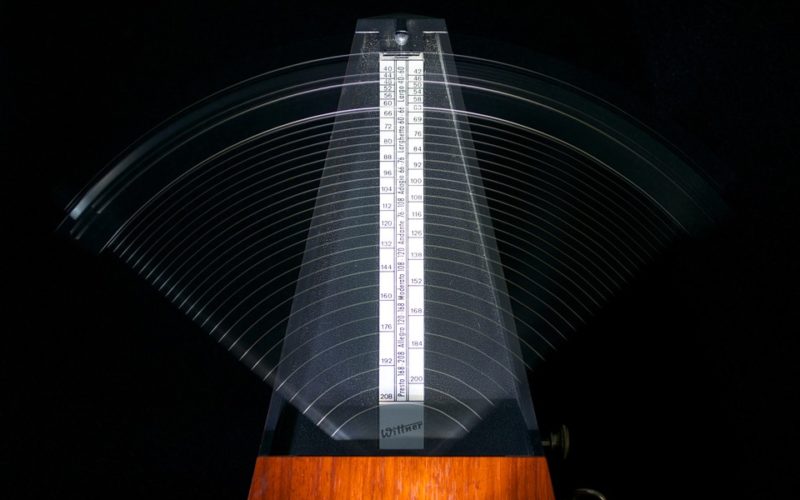
The Varying Pace of Mambo
Mambo is a vibrant Latin dance that originated in Cuba in the 1930s and 1940s. It blends Afro-Cuban rhythms with jazz influences, creating a style that's both energetic and expressive. Unlike some other Latin dances, mambo is known for its syncopated timing — dancers move on the second beat rather than the first, giving it a distinctive, playful feel. The dance quickly spread from Havana to New York City, where it became a cultural phenomenon in the 1950s ballrooms of the Palladium.
The rhythm of mambo
One of the most fascinating aspects of mambo is its varying pace. The music can shift from slow, sensual phrases to rapid, percussive bursts within a single song. Dancers must stay attuned to these changes, responding with fluid hip movements one moment and sharp footwork the next. This dynamic quality is part of what makes mambo so captivating to watch — and so rewarding to learn. The interplay between the dancer and the music becomes a conversation, with each responding to the other in real time.
Mental benefits of dancing mambo
Learning mambo is a genuine workout for the brain. Keeping track of complex rhythms, memorising sequences, and anticipating your partner's movements all require focused concentration. Research has consistently shown that dancing can improve cognitive function, enhance memory, and even reduce the risk of dementia in older adults. The mental engagement involved in mambo — particularly its off-beat timing — adds an extra layer of challenge that keeps the mind sharp. Many dancers describe a state of flow when they're on the floor: a deep focus where stress simply falls away.
Physical benefits of dancing mambo
The physical demands of mambo are considerable. The characteristic hip motion, driven by precise footwork and weight transfers, engages the core, glutes, and legs in ways that traditional exercise rarely does. A single hour of mambo can burn between 300 and 400 calories, depending on intensity. Beyond calorie expenditure, regular practice improves balance, coordination, and posture. The dance also promotes cardiovascular health, as the varying tempo keeps the heart rate elevated and fluctuating — similar to interval training.
Mambo as a social and emotional outlet
Beyond the physical and cognitive gains, mambo offers something harder to quantify: joy. The social dimension of the dance — connecting with a partner, sharing a rhythm, reading each other's intentions — fosters a sense of belonging and emotional wellbeing. Studies on social dancing suggest it can significantly reduce anxiety and depression, partly through the release of endorphins and partly through the simple act of human connection. There's a reason mambo floors are rarely quiet; the music and movement together create an atmosphere that's genuinely difficult to resist.
Getting started with mambo
For anyone considering giving mambo a try, the good news is that no prior dance experience is necessary. Most dance studios offer beginner classes that focus on the foundational footwork and timing before introducing partner work. It helps to approach the early stages with patience — the off-beat timing can feel counterintuitive at first, but it tends to click with consistent practice. Comfortable shoes with a smooth sole make a noticeable difference, allowing for easier pivots and weight shifts without straining the ankles or knees.
A dance worth learning
Mambo asks a lot of those who take it up: physical stamina, mental agility, emotional openness, and a willingness to look slightly foolish while learning. In return, it offers a remarkably complete form of exercise that benefits the body and the mind in equal measure. Few activities manage to be simultaneously aerobic, cognitively stimulating, and socially enriching — mambo achieves all three. Whether you're drawn in by the music, the movement, or the community, stepping onto a mambo floor is rarely something people regret.